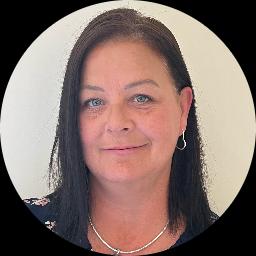
- Years in practice
- 6
- Registration
- BACP
- Languages
- English
- Focus
- Stress, Anxiety
- Focus
- Addictions
- Focus
- Relationship issues
About Michelle
Michelle Rutter is a person-centred counsellor based in the United Kingdom. She meets people where they are and helps them tackle worries such as anxiety, depression, stress and problems with sleep. She also supports people facing grief, addiction, relationship difficulties, parenting challenges and trauma.
Michelle holds BACP accreditation and has six years of practice experience. Her style is calm and respectful. Sessions focus on listening and helping clients speak honestly about what matters.
Background and approach
She combines client-centred listening with practical tools drawn from cognitive work and mindfulness. Michelle aims to make each session feel like a constructive conversation rather than a lecture. She adapts plans to suit each person’s situation.
That can mean working on thinking patterns that keep someone stuck, building emotional regulation skills, or practising new ways to communicate. Michelle also uses acceptance-based ideas to help people live with difficult feelings while still moving towards their goals. Michelle pays attention to the whole picture.
She considers background factors like past loss, caregiving stress, chronic health or life transitions when shaping therapy. This helps keep work relevant and grounded in everyday life. If someone decides to begin, sessions are collaborative and paced to the person’s needs.
Michelle aims to support steady progress and clearer choices, not quick fixes. Her approach suits people looking for thoughtful, practical support for parenting concerns and other life challenges.
What Michelle works with
Everything Michelle lists, in their own terms. Parenting is the reason this directory exists; the rest shows what else Michelle helps people with.
- Stress, Anxiety
- Addictions
- Relationship issues
- Trauma and abuse
- Depression
- LGBT
- Family conflicts
- Grief
- Intimacy-related issues
- Eating disorders
- Sleeping disorders
- Parenting issues
- Anger management
- Self esteem
- Career difficulties
- Bipolar disorder
- Coping with life changes
- Coaching
- Compassion fatigue
- ADHD
- Abandonment
- Aging and geriatric issues
- Attachment issues
- Autism and Asperger Syndrome
- Avoidant personality
- Cancer
- Caregiver issues and stress
- Chronic pain, illness, and disability
- Codependency
- Communication problems
- Control issues
- Dissociation
- Divorce and separation
- Domestic violence
- Drug and alcohol addiction
- Eating and food-related issues
- Emptiness
- Family problems
- Forgiveness
- Gender dysphoria
- Guilt and shame
- HIV / AIDS
- Hospice and end-of-life counselling
- Impulsivity
- Infidelity
- Isolation / loneliness
- Jealousy
- Life purpose
- Midlife crisis
- Veteran and Armed Forces Issues
- Mood disorders
- Multicultural concerns
- Narcissism
- Panic disorder and panic attacks
- Personality disorders
- Phobias
- Polyamory / non-monogamous relationships
- Postpartum depression
- Post-traumatic stress
- Pregnancy and childbirth
- Prejudice and discrimination
- Process addiction (porn, exercise, gambling)
- Seasonal Affective Disorder (SAD)
- Self-harm
- Self-love
- Sexual assault and abuse
- Sexuality
- Smoking / vaping cessation
- Social anxiety and phobia
- Visually impaired
- Women's issues
- Workplace issues
- Young adult issues
Approaches Michelle lists
- Acceptance and Commitment Therapy (ACT)
- Client-Centred Therapy
- Cognitive Behavioural Therapy (CBT)
- Dialectical Behaviour Therapy (DBT)
- Emotionally-Focused Therapy (EFT)
- Mindfulness Therapy
- Motivational Interviewing
- Narrative Therapy
- Psychodynamic Therapy
- Solution-Focused Therapy
- Trauma-Focused Therapy
- Internal Family Systems
Listing an approach is not evidence of training in it. This directory copies what each counsellor names and does not check training records.
Therapeutic approaches for online support
Michelle often uses Acceptance and Commitment Therapy and Cognitive Behavioural Therapy in online work. Acceptance and Commitment Therapy (ACT) helps people notice and accept difficult feelings while taking steps towards what matters to them. It can be useful for stress, anxiety, grief and parenting challenges. Cognitive Behavioural Therapy (CBT) looks at the links between thoughts, feelings and actions and offers practical exercises to change unhelpful patterns and improve sleep, mood and everyday coping.Finding the right approach is part of therapy. The therapist will work with the client to choose methods that suit their goals and preferences. That means discussing what feels useful, trying techniques together, and adjusting the plan as progress is made. The process is collaborative rather than one-size-fits-all.
Online formats include video calls, phone sessions, live chat and text-based messaging, which offer flexibility for different routines. Video sessions are good for face-to-face conversation and non-verbal cues. Phone sessions can be useful when bandwidth is limited or a shorter check-in is needed. Live chat and messaging suit people who prefer typed reflection, want brief check-ins, or need to fit therapy around work or caregiving commitments. These options make it easier to access regular support without travel.
Questions people ask about Michelle
What concerns does Michelle help with?
She works with a wide range of issues including anxiety, depression, stress, addictions, grief, trauma, sleep and eating concerns, parenting matters, relationship and intimacy issues, ADHD, and career or life transitions.
What is her therapeutic style like?
Michelle uses a person-centred approach that prioritises listening and respect. She blends that with practical methods from CBT, mindfulness and acceptance-based work to help people make meaningful changes.
How much experience does she have?
She has six years of experience working with people facing a broad range of emotional and life difficulties.
What credentials does she hold and where is she based?
She is accredited with the British Association for Counselling and Psychotherapy (BACP) and is based in the United Kingdom.
Which languages are supported and can international clients access sessions?
Sessions are offered in English and Michelle accepts international clients.
What session formats are available?
Sessions can take place by video call, phone, live chat or text-based messaging to suit different needs and schedules.
How does payment and cost work?
Costs vary with location and therapist availability; sessions use a subscription model that can be cancelled at any time.
How do I begin working with Michelle?
Start by selecting the Start Therapy button, complete a short matching questionnaire, and then schedule sessions according to the therapist’s availability.
More counsellors who work with stress & anxiety
See all of them
Maria Lawrence
BACP
4 years in practice
Empathetic counsellor for practical change
- Stress, Anxiety
- Relationship
- Family

Ruth Lynch
NCPS
4 years in practice
- Stress, Anxiety
- Relationship
- Self esteem

Sian Llewellyn
BACP
10 years in practice
Supportive counsellor for parenting and relationships
- Stress, Anxiety
- Relationship
- Family